
A pocket auditor with an aging edge
zANTI is a mobile penetration testing tool built for Android users who need a portable way to inspect networks during authorized security work. Its main appeal is simple: it turns a phone into a field-ready utility for network discovery and quick assessment, which can be useful when carrying a laptop is inconvenient.
Top Recommended Alternative

The app is best understood as a professional network auditing companion rather than a modern mainstream security platform. That distinction matters, because Zimperium’s current public focus is on broader enterprise mobile security products, not on heavily promoting zANTI itself. As a result, the tool carries legacy credibility, but also some uncertainty around current visibility and long-term prominence.
Security checks without the laptop bag
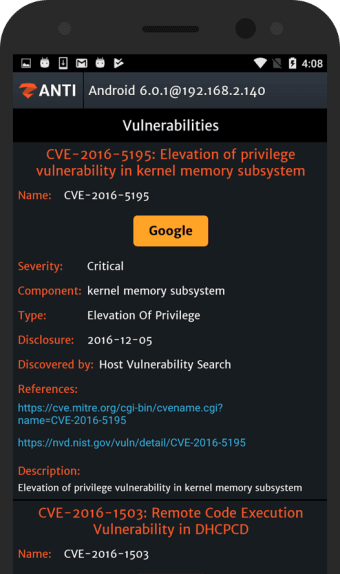
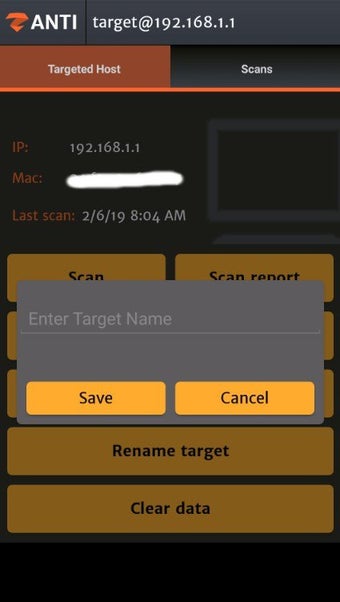
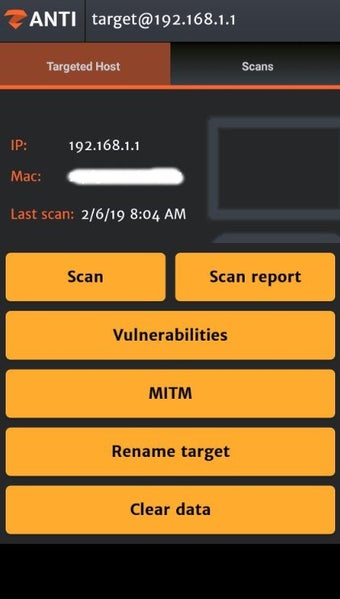
zANTI stands out for portability first. As an Android security testing tool, it is built around quick on-site checks such as identifying devices on a network and helping users spot potential weaknesses without needing a full desktop setup. That convenience is its biggest strength, especially for professionals handling short field visits or initial assessments.
The app also benefits from a more approachable format than many traditional command-line security tools. That can make wireless security assessment work feel faster and more visual during early-stage audits. The tradeoff is that the feature picture is easier to verify in broad terms than in exact modern detail, so the app feels stronger as a reconnaissance tool than as a deeply current all-purpose suite.
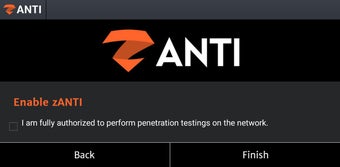
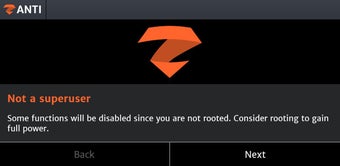
Another practical limit is platform depth. zANTI is tied to Android, and fuller functionality has long been associated with deeper device privileges, which makes the experience less straightforward than the clean mobile pitch suggests. It also belongs firmly in authorized professional use, so its value depends heavily on the user’s expertise and testing environment.
Still useful, but not exactly fresh
zANTI remains an interesting ethical hacking app because it captures a very practical idea: mobile-first security testing for quick field work. That idea still holds up. What feels less certain is the product’s current weight compared with Zimperium’s more visible enterprise offerings. For professionals who want a compact network discovery tool, it can still be relevant. For everyone else, it reads more like a respected legacy utility than a must-have modern security platform.